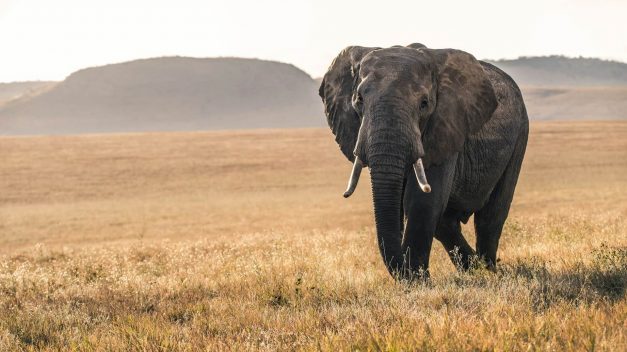
Elephants have long been regarded as symbols of strength, wisdom, and majesty in various cultures around the world. Their immense size, social intelligence, and distinctive physical features have made them ideal figures in mythological traditions. Across continents and cultures, elephants play a significant role in the spiritual and symbolic narratives that define a people’s beliefs, values, and perceptions of the natural world. From the revered god Ganesha in Hinduism to the sacred white elephants of Southeast Asia, elephants occupy an important place in world mythologies. In this article, we will explore the various symbolic roles that elephants play in different mythologies and how they continue to shape cultural and spiritual practices.
Elephants in Mythology — A Universal Symbol
Elephants are among the most impressive creatures on Earth, not only for their size and strength but also for their emotional intelligence and social complexity. Across the world, the elephant has come to represent many powerful qualities, including wisdom, memory, longevity, and resilience. These creatures often appear in the myths, stories, and religious traditions of cultures around the globe, each time embodying a different facet of life, nature, and the divine.
The symbolism of elephants in world mythologies is varied but consistent in its association with power, protection, and wisdom. Whether as gods, divine companions, or earthly creatures, elephants have earned their place as central figures in mythological narratives. By examining the roles of elephants in different cultures, we gain a deeper understanding of how these majestic beings have influenced spiritual beliefs and storytelling throughout history.
The Role of Elephants in Hindu Mythology
In Hindu mythology, elephants are revered as symbols of both divine power and wisdom. One of the most iconic and beloved elephant figures in Hinduism is Ganesha, the elephant-headed god of wisdom, prosperity, and the remover of obstacles. Ganesha is a central deity in Hindu worship, widely adored by followers who seek his blessings for new ventures, personal growth, and spiritual enlightenment.
Ganesha’s Origins and Symbolism
According to Hindu mythology, Ganesha was created by the goddess Parvati, the consort of Lord Shiva. Parvati fashioned Ganesha from clay and asked him to guard her while she bathed. When Shiva returned, he was unaware of his son’s identity and, in a fit of anger, beheaded Ganesha. Parvati, devastated by the loss of her son, demanded that Ganesha be brought back to life. To appease her, Shiva ordered that Ganesha’s head be replaced with the first living creature encountered, which happened to be an elephant.
This myth is rich in symbolism. The elephant-headed Ganesha represents wisdom, as elephants are known for their remarkable memory and intelligence. The head of an elephant also symbolizes the ability to overcome obstacles, with the trunk symbolizing adaptability and the ability to navigate through life’s challenges. In addition to wisdom, Ganesha is also a symbol of auspiciousness and prosperity, and he is invoked at the beginning of new ventures, ceremonies, and even when seeking success in education and career.
Airavata: The Divine Elephant of Indra
Another important elephant figure in Hindu mythology is Airavata, the majestic white elephant that serves as the mount of Indra, the king of the gods and ruler of the heavens. Airavata is a symbol of purity, power, and divine strength. This mythical elephant is often depicted with multiple heads and is believed to be responsible for bringing rain and nurturing life on Earth. Airavata’s sacred role further emphasizes the reverence for elephants in Hindu culture as embodiments of divine power and natural forces.
Elephants in Buddhist Mythology
In Buddhist mythology, elephants also hold significant symbolic meaning. The most famous elephant figure in Buddhism is the white elephant associated with the birth of the Buddha.
The White Elephant and the Birth of the Buddha
According to Buddhist tradition, the Buddha’s mother, Queen Maya, dreamt of a white elephant entering her womb before she conceived Siddhartha Gautama, who would later become the Buddha. The white elephant is considered a symbol of purity, enlightenment, and divine favor. The dream signified that Queen Maya would give birth to a child who would either become a great king or a great spiritual leader.
In many depictions, the white elephant is shown as a sacred and auspicious figure, foreshadowing the Buddha’s birth and the enlightenment that would follow. The symbolism of the white elephant in Buddhism represents not only purity and wisdom but also the Buddha’s transcendence over worldly desires and his ability to lead others to spiritual enlightenment.
The Elephant as a Symbol of Strength and Compassion
Elephants also appear in Buddhist teachings as metaphors for strength and compassion. In some stories, elephants are depicted as peaceful, patient creatures that represent the virtues of patience, mindfulness, and the ability to endure hardship with grace. Their calm demeanor and deep sense of empathy mirror the qualities that the Buddha advocated for in his teachings, particularly the cultivation of loving-kindness and compassion toward all living beings.
Elephants in African Mythologies
In African mythology, elephants are often associated with wisdom, protection, and the spiritual world. They hold a prominent place in the cultures of many African peoples, symbolizing the sacredness of nature and the strength of ancestral connections.
The Maasai and the Elephant
The Maasai people of East Africa view elephants as symbols of wisdom and power. In their culture, elephants are believed to be ancestors, and their appearance in dreams or visions is considered a sign of guidance from the spirit world. The Maasai also revere elephants as protectors of the land and its people. Elephants’ social behaviors and their deep familial bonds resonate with Maasai values of community and loyalty.
The Elephant as a Protector
In various African myths, elephants are often depicted as guardians of sacred lands, protecting the community from danger. Their size and strength make them natural protectors, and they are often called upon to ward off evil spirits or prevent conflict. This protective nature is also reflected in the belief that elephants can communicate with ancestors and the gods, ensuring the balance between the human and spiritual worlds.
Elephants in Southeast Asian Mythologies
In Southeast Asian mythologies, particularly in Thailand and Cambodia, elephants are revered for their connection to royal power and spiritual protection.
The White Elephant in Thai Mythology
In Thailand, the white elephant is a powerful and sacred symbol. White elephants are seen as symbols of royal power and divine favor. According to Thai legend, the discovery of a white elephant is a sign of good fortune and is believed to bring prosperity to the kingdom. The possession of a white elephant by a king is seen as a sign of the ruler’s divine right to govern, and the elephant’s role in these myths underscores the close relationship between the monarchy and spiritual power in Southeast Asian cultures.
Airavata in Southeast Asia
The divine elephant Airavata, mentioned in Hindu mythology as the mount of Indra, is also highly revered in Southeast Asian cultures, particularly in Cambodia, where it is believed to represent the link between the heavens and the Earth. Airavata is seen as a protector of both the natural world and the royal lineage, ensuring the prosperity of the land and the harmony of its people.
Elephants in Greek Mythology
Though Greek mythology does not feature elephants as prominently as other mythologies, they are still present as symbols of exotic power and military might.
War Elephants in the Battle of Hydaspes
The Greek historian Arrian wrote about the famous use of war elephants by King Porus of India during his battle against Alexander the Great at the Battle of Hydaspes in 326 BCE. While elephants were not native to Greece, their presence in battle was an awe-inspiring sight for the Greeks. The elephants, massive and imposing, represented the power of the East, and their involvement in military strategy made them a symbol of strength and dominance. The Greeks, while not familiar with elephants in their own mythology, were deeply impressed by their presence and regarded them as symbols of the exotic and the powerful.
Conclusion
Across world mythologies, elephants are revered for their incredible qualities, both physical and symbolic. They are consistently depicted as embodiments of strength, wisdom, and divine protection. Whether as the beloved god Ganesha in Hinduism, the sacred white elephant of Buddhism, or the powerful war elephants of Greek history, these majestic creatures transcend cultural boundaries and continue to inspire awe and reverence.
The symbolism of elephants in world mythologies highlights the universal human fascination with these extraordinary animals. They are seen not only as symbols of power and protection but also as creatures that embody patience, wisdom, and the divine. In a world that is constantly changing, elephants remain timeless symbols of endurance and resilience, connecting us to both the natural world and the divine realms. Their presence in mythologies across cultures is a testament to the profound impact that elephants have had on the spiritual and cultural imagination of humanity.